Listening in Greyscale: Meloy or Molko?

It took me a few seconds to realise I was wrong.

I was listening to my playlist on shuffle. Sixty-three hours practically demand this. A new song came on. The Infanta by The Decemberists. But my brain insisted it was Placebo. Brian Molko’s voice, unmistakable, slightly nasal, brittle at the edges, dramatic without trying.

I was so sure of it that I had to stop what I was doing and look it up. Mostly because I couldn’t remember adding any Placebo songs to my playlist recently, and it definitely wasn’t one of the older ones I used to like. Maybe a collaboration with Brian Molko?

No, it wasn’t him.

It was Colin Meloy.

That moment, that small musical misrecognition, revealed something about the way I listen to music. I don’t just hear songs. I hear ghost echoes. Overlaps. Connections that aren’t necessarily there, except that they are, for me.

Meloy’s voice in The Infanta sharpens, tightens, becomes theatrical in a way that briefly steps out of his usual folk warmth. And in that narrow space, Molko appears. A similar tension in the voice. The same slightly strained upper register. The same insistence in the consonants. A kind of emotional insistence.

Colin Meloy sings slightly lower than Brian Molko ever does, and that’s the strange part. The resemblance isn’t in the pitch. It’s in the placement. The way the voice sits forward in the mouth. The way tension is held rather than released. It’s colour, not register, that connects them. Not a perfect match. Just close enough to open a door.

It’s strange, the way the brain does this. How it pulls threads between artists, decades, genres. How one voice suddenly becomes a door to another. How listening turns into remembering. A song, an artist, sometimes even a film. Even when the memory isn’t quite real. It’s not fake either. It sits in greyscale, somewhere in between.

I often notice these things. A chord progression that reminds me of a song I can’t place. A voice that sounds like someone else’s shadow. I’ve learned that not everyone listens like that. For some, music is linear. For me, it’s layered. It’s a web.

And maybe that’s why music never really ends for me.
It just keeps talking to itself, across years and voices and songs, and I happen to be there, overhearing it.

It’s a bit like an ocean. One wave carries me into the next. Curiosity and an open mind pull me forward. Music never gets boring for me. There is always something to discover. A thread binding two songs or artists together, even if it’s invisible.

So when I thought The Infanta was sung by Brian Molko, it wasn’t really a mistake. It was my listening brain doing what it always does. Finding relationships. Building bridges. Refusing to keep things in neat boxes.

And who likes boxes anyway?

The Decemberists – The Infanta

Placebo – A Song to Say Goodbye

I know it is very subtle, but I cannot unhear the similarities between the voices.
When poems turn into books

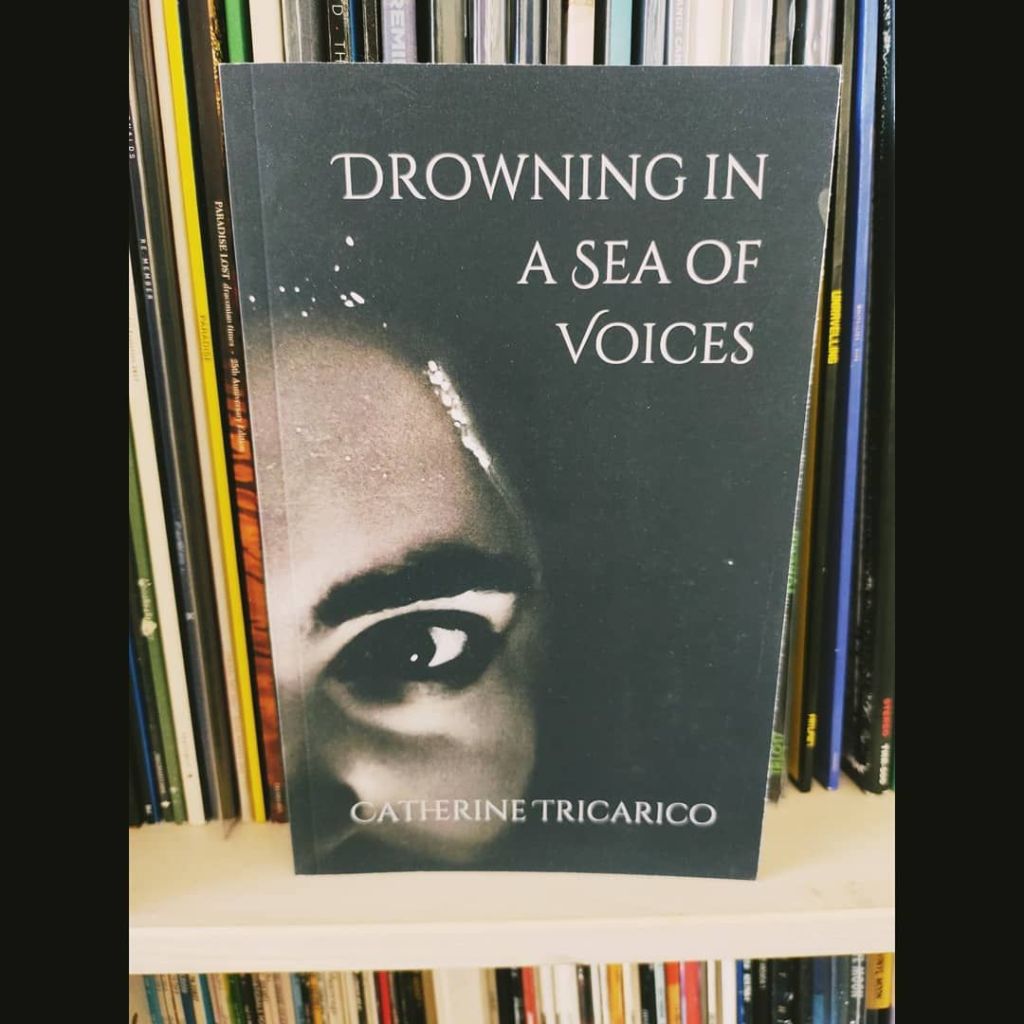
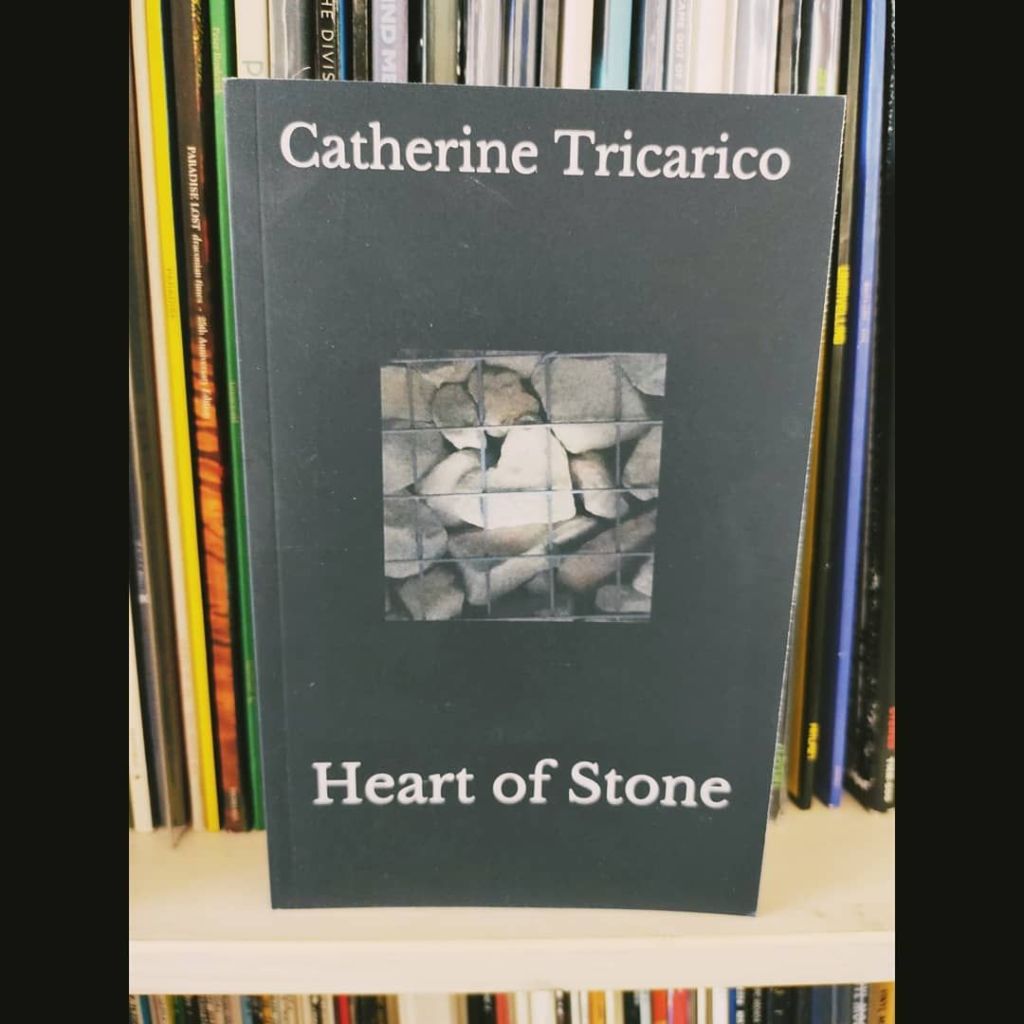
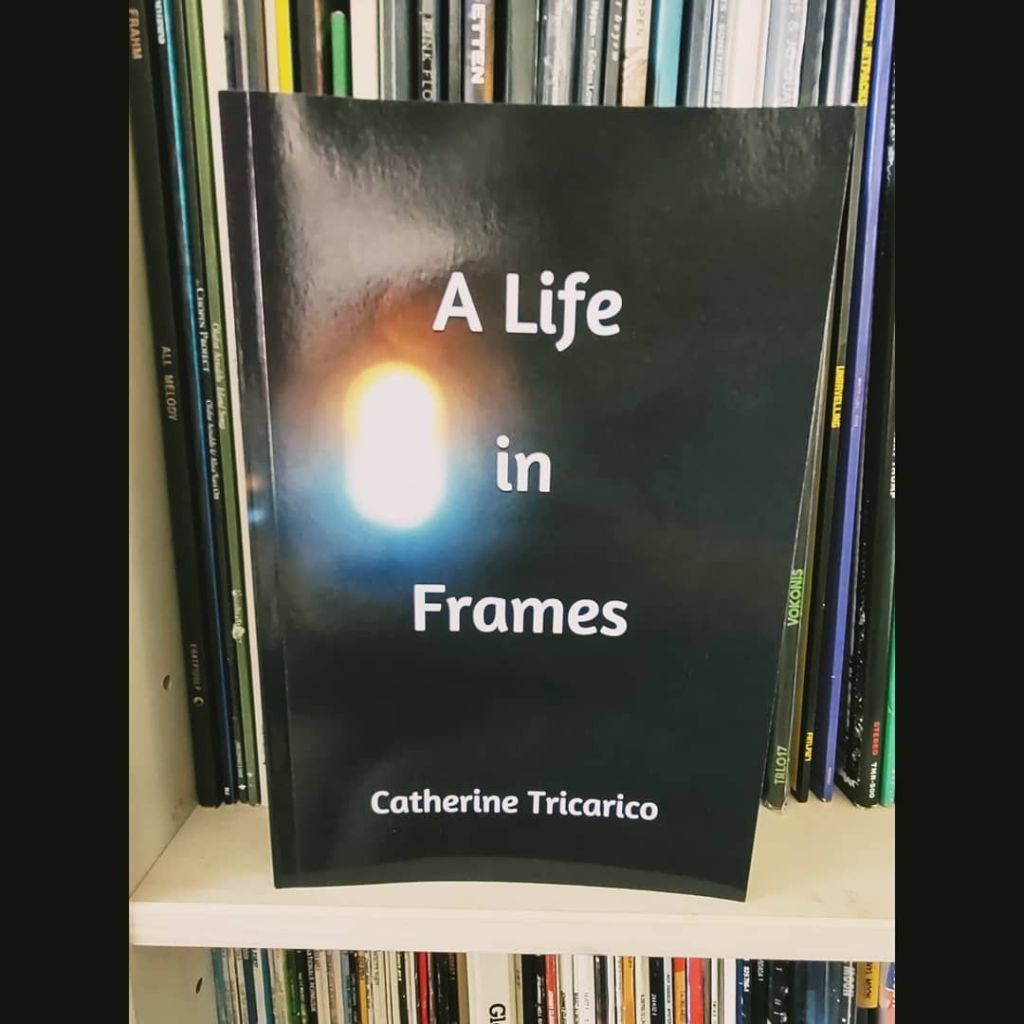
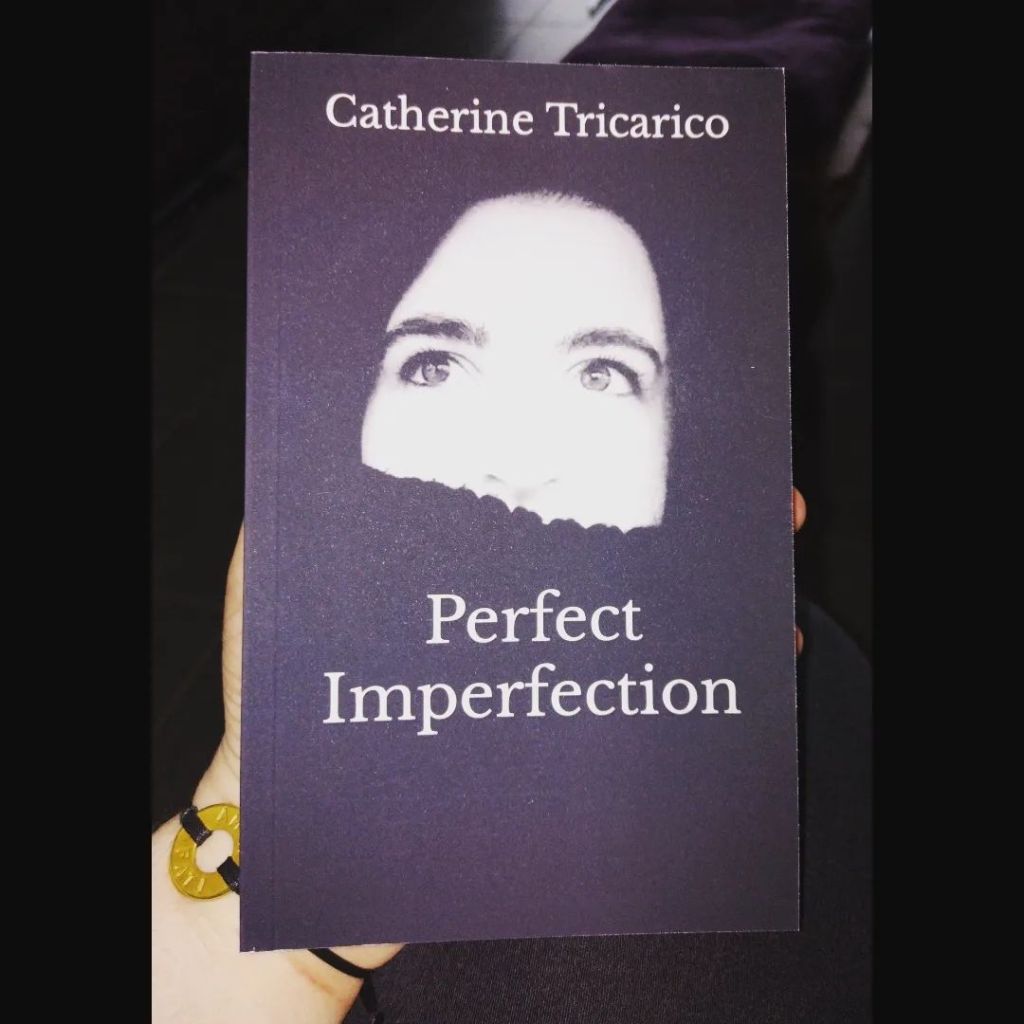
My year was essentially a good year. Not many extraordinary things happened, but I feel settled, serene and mostly content with where I am and with who I am. I have a beautiful family with amazing young people to share their world views with me. I have a husband who I love. And I have friends. Not many, two or three, but I cherish them. I love my job and I got to listen to a lot of amazing music this year. And I wrote. A lot. It was one of my most productive years ever. And that’s what this post will be about. Writing and my publications. You see, this year I published my tenth book. It’s a milestone. And although it may sound conceited not many independent poets reach that milestone. What will follow is a small recap of the books I wrote and published since 2018. That’s right, I have been publishing my own poems for 7 years now. Not because I think it is the best poetry out there, but because I needed it for myself. I wanted and needed to hold my poetry in a printed book. And in doing so, it became available for everyone else too.

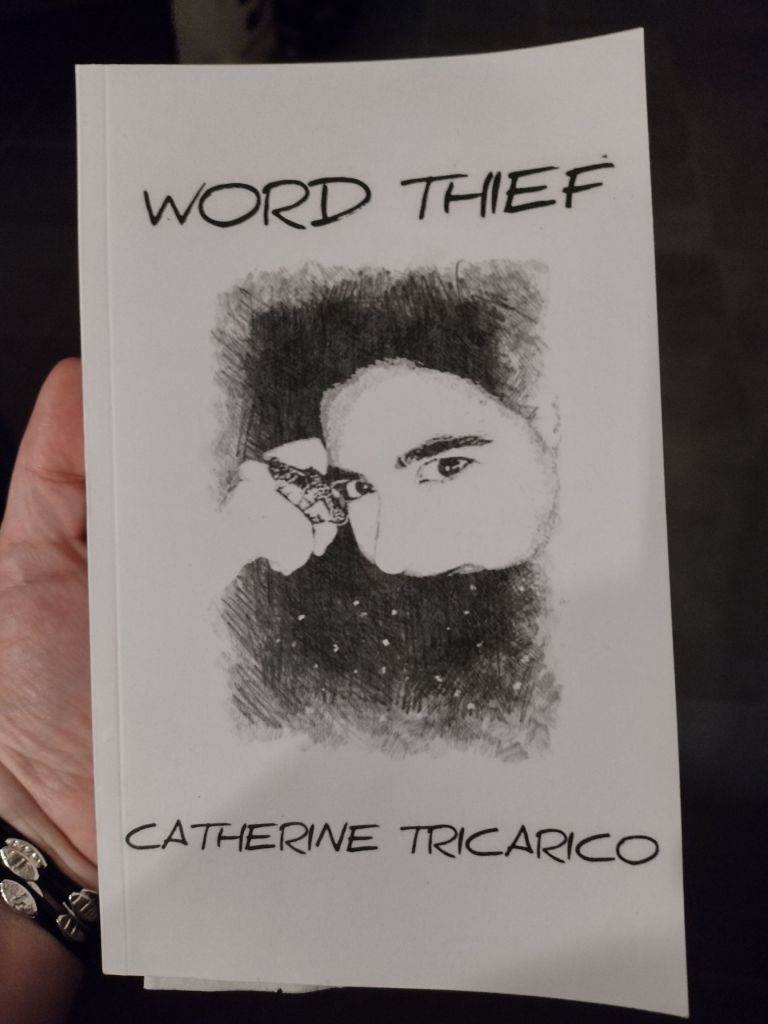
Poetry. This one was born out of inner pain. My first publication with my name on the cover. I felt exposed yet oddly proud. 2018. It was a time of change and I was only slowly turning into someone with a voice.
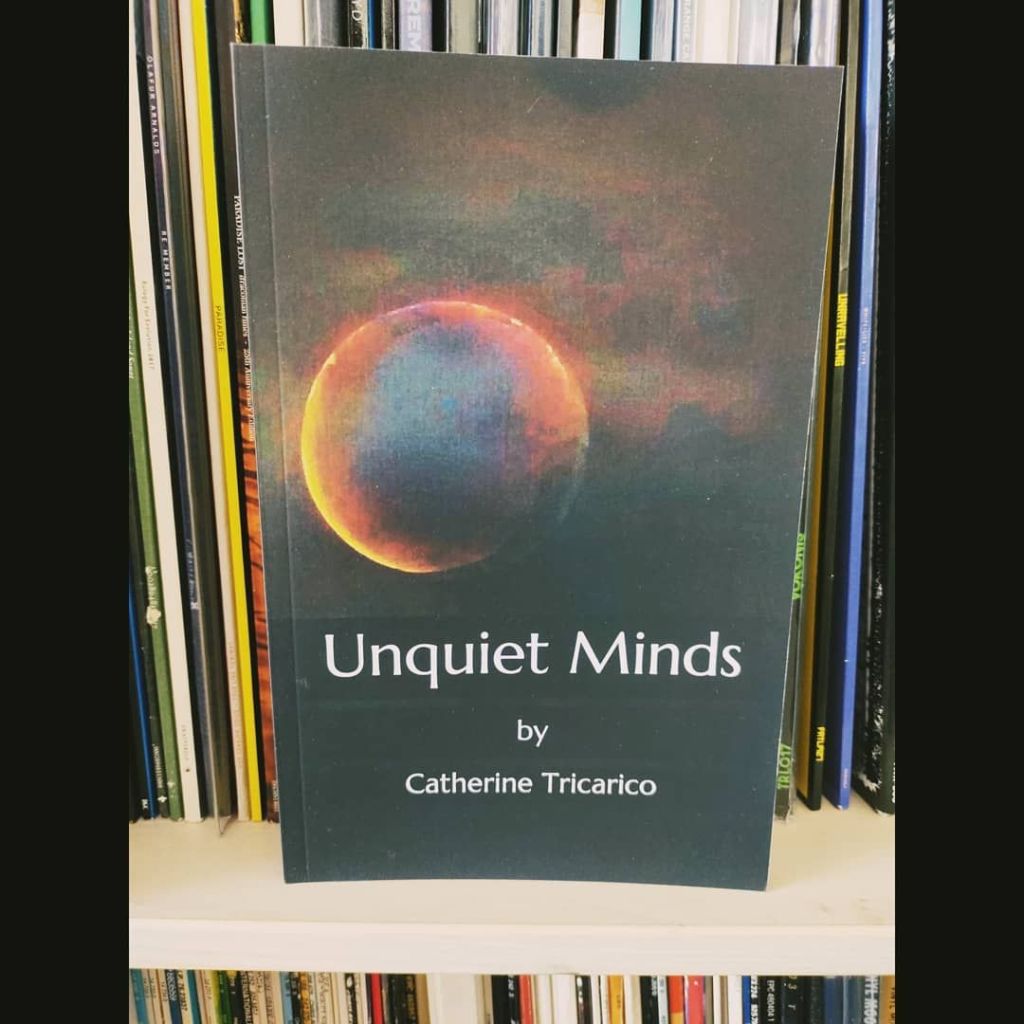
Poetry. The cover of this one is intriguing. I was slowly finding my writing voice. Still written from inside a wound, bleeding on the page. I don’t write like that anymore and yet it deserves to be there.
Novel. I love this book and the story. It’s a romance novel about two men. But it is different than you may think. There are no clichés, just good a story.
Short stories. It’s a thin book in a different format than the others. A little taller. It is filled with short stories and flash fiction I wrote until then (2020). I am thinking about publishing a second Volume soon, but the plans are still vague and written in the clouds.
Poetry. When I talk about my books, this is most often the one I forget to mention. I don’t even know why that is.
Poetry. The essence of me. Perfect Imperfection.
Poetry. It’s an anthology compiling all the poems I had written until then. It was released on my 40th birthday. A brick of a book. I am very proud of this one.
Poetry. One of the most beautiful covers I ever did.
Poetry. This one stayed very much under the radar. Almost as if it wasn’t there. Maybe the Weight of Light is too heavy after all.
Poetry. A collection written during a sleepless week in August. It demanded to be born. I didn’t have a choice. Book number 10.

Once I let go of the poems and put them into books, they become yours to read, to hold, to experience.
They never need my explanation or interpretation, because we all live and read poetry with different eyes, with a different heart.
My only hope is that some of my words reach the people who need to read them.

There is another post on my blog where I wrote about these books from a different angle and shared some of the feedback I received. It’s worth taking a look, I think. I don’t receive much feedback. My poetry isn’t loud. It asks for silence and for room to breathe. But when people do share their thoughts, it matters. A lot. Or, as someone recently said to me when I praised their work: “It means the world. You never know how these things are going to land.”

If you ever consider buying a copy of one of my books, you can purchase them through me

http://paypal.me/micqu. Right now they are all pay what you want. And they will be sent out in January 2026. They are also available on Amazon for those who don’t want to wait.

I would also mention again that a couple of my poems can be heard on SoundCloud. Either narrated by me or by Daniel Cavanagh (founder, singer/songwriter and multi-instrumentiste in Weather Systems).

https://on.soundcloud.com/mlr6ii6ORVwU6PASxP

I don’t know exactly what the new year will bring, but I know I will keep writing. And 11th book is taking form and the 12th too.

All these words were mine for a long time. Now they are yours.

Caged Butterflies

Ce silence étendu qui pèse sur les papillons dans la neige
Enrobés de glaciers,
menottés à des millions d’étincelles qui brûlent derrière des yeux fermés.
Il est où, ce phare sauveur ?
Il est où, le jour qui chatouille le soleil ?
S’ils pouvaient seulement s’envoler,
semer des étoiles dans des vagues de nuages.
Mais le silence est une cage fermée à double clé.
On n’y peut jamais échapper.

###

(Translation)

This long silence settles on the butterflies in the snow,
wrapped in glaciers,
handcuffed to millions of sparks burning behind closed eyes.
Where is that saving lighthouse?
Where is the day that tickles the sun?
If only they could fly away,
scattering stars into waves of clouds.
But silence is a cage that no key can open.
There is never a way out.

Dreamwalker

In Schichten flieg ich durch die Welt
Verlassene Türen
Zertrümmerte Dörfer
Meine Tränen bringen keinen Frieden
Könnte ich doch nur aus der Welt treten
Und mit mir nehmen alles ohne Sinn
Es einschliessen in mein Gefieder.
Nur Illusionen bleiben heil.
Ich sinke durch Stunden
Schwimme durch unendliche Nacht
Könnte ich mich nur in deinem Schatten wiegen
Und rubinrote Straßen
Rufen meinen Namen
In ihren Augen ist kein Leuchten mehr
Ich vergesse einen Flügelschlag
Und ertrinke alles Leid unter goldenen Steinen.

###

(Translation)

In layers I drift through the world
Abandoned doors
Shattered villages
My tears bring no peace.
If only I could step out of the world
And take with me everything that’s meaningless;
Lock it into my feathers.
Only illusions stay alive.
I sink through hours,
Swim through endless nights.
If only I could rest inside your shadow.
While ruby-red streets
Call my name.
There is no light left in their eyes.
And I forget to breathe
Before I drown all sorrows beneath golden stones.

two frequencies

She is a rainbow
He, a monochrome arc.
She breaks light open,
he carries its edges.
She follows storms,
he rests in calm.


She moves in certainty,
the promise after thunder.
He lingers in shades
where colour dares not bloom.
Yet somehow
they meet
where the sky forgets itself.


She glows,
he holds.
Two frequencies,
one horizon.
Different worlds,
same gravity.


She reaches through silence,
he answers without sound.
Their orbits collide
for a heartbeat,
then drift to distance.


She dreams in colour,
he sleeps in grey.
Each night
they find each other
in the space
between dark and day.

###

For my calm and constant. For the one who steadies my light. ❤️

After the curtain

And that was it. We were love.
Two chairs, several acts, and all the silence in between.

It felt unusual to post this here. I usually share poems, fragments, small reflections. A play is different. Plays are meant for the stage, for bodies and breath, for silences that stretch too long. The be seen and experienced. But still, I felt it belonged here because it is not so far from what I always write. Presence and absence. Love and silence. What is said and what is never said.

Letting it out act by act was strange. Like lifting a curtain in the morning and in the evening and lowering it again. Strange, but also good. Writing it was heavy at times, it pressed on me, but it was also a relief to give it form and let it stand on its own. It weren’t the words that were heavy to write, but the format of the play that made it hard.

I do not know what it was for you. Maybe too stark, maybe unsettling, maybe exactly what you needed to read. Maybe too shallow. Maybe it was nothing at all. But I hope at some point you felt it. The pause. And you heard it. The scrape of a chair. The ache of closeness that never quite closes.

For me, sharing it here was a way of letting go of this little experiment.

The curtain is down now. I don’t know if I will ever write another play. But I know this:

We were love.

ACT VII: Parting

Stage: The two chairs remain centre stage, facing one another. Dim light, almost dusk-like. The silence is immense.

They stand close, almost touching. Neither moves. They hold stillness.

HER (softly): What are we.

Silence. He moves behind his chair, as if it was a shield. He grips the backrest tightly, eyes downward.

HER (firmer): What are we?

No answer. She circles her own chair slowly, deliberately. He mirrors her, both orbiting until they end up face to face, with the chairs between them.

HER (sharp, demanding): Say it. Damn it. Say it.

HIM (quiet, breaking): I can’t.

Silence. He turns his chair away, back facing her. She stares at the gesture, breath catching.

HER (after a pause, whisper): I’ll carry that question. Like I carry you.

HIM (low, almost pleading): I never asked anything from you. You were never a shadow to me.

HER (pained): Then why does it feel like I’m fading.

Silence. They both stand still for a long time.

Slowly, both step forward at the same time, meeting between the chairs. For the first time, their hands touch. Fingers entwine. They stand like this for a long silence, breath audible, eyes locked.

She leans slightly forward, their foreheads almost touching. But they do not kiss. The space holds.

HER (whisper, breaking): If this is love… it hurts. Too much.

HIM (quietly): If this is love… it stays. Forever.

Another silence. Fingers tremble, still locked together.

They do not let go, instead, they begin to move. Slowly, painfully, they walk in opposite directions, pulling away from the centre. Their arms stretch, their fingers still entwined. They keep moving, each step widening the space, until only their fingertips remain touching. At last, the contact slips, leaving only air between their outstretched hands.

They stand frozen, backs turned, the distance infinite.

HER (final line, steady, almost to herself): We were love.

Long silence.

The lights fade very slowly, leaving the outline of the two chairs and the empty space between them. Then total blackout.

ACT VI: Confessions

Stage: Two chairs, set apart, angled toward one another. Dim light, cooler now. A faint blue wash, like night settling in.

They stand, not sitting. Each circles slowly around their chair. The scraping of shoes on the floor is deliberate, rhythmic. They orbit like planets, never colliding.

Silence stretches.

HER (quiet, trembling): You were the only one. Always.

Silence. Circling continues.

HER (stronger): The only one I told. Everything.
(beat)
The only one I trusted with my breaking.

He stops mid-step, gripping the back of his chair. He lowers his head.

HIM (low, hoarse): And I broke you more.

Long silence.

HER (bitter laugh, short): You shattered me.
(beat)
And I kept sweeping up the glass.

She steps closer, fingers brushing her chair like an anchor.

HER (softer, breaking): I carved myself smaller, smaller,
(to herself)
just to fit the spaces you left for me.

He moves suddenly, circling faster, words spilling.

HIM (bursting): I could not hold you. Don’t you see?
(shouting now)
I could not even hold myself.

He slams both hands on the back of the chair. The sound echoes. He stays bent forward, shaking.

Silence.

HER (after a pause, steady but pained): Then why take me at all?
(beat)
Why let me believe? In this. In us?

Silence. He lifts his head, but does not answer.

HER (rising anger): You made me weightless.
(beat)
You called it love.
(beat, louder)
You said it was love.

She tips her chair over. The crash fills the space.

HIM (explodes, raw): It was love.
(beat, quieter, breaking)
It always was love. It still is.

Silence. Both stand heaving, facing one another across the fallen chairs.

They step forward, almost colliding. Their faces inches apart. Neither touches. Their breath fills the space.

Unbearable tension.

The light slowly dims until blackout.

ACT V: Nearness

Stage: The two chairs are drawn closer now, side by side, almost touching. Dim light. The floor still bears the marks of the last act: one chair on its side, the other shoved off-centre. Slowly, they right the chairs, then sit.

They sit. Silence. Long.

HIM (suddenly, voice low but firm): I did love you.

The words hang in the stillness. Silence.

HER (quietly): You never said.

HIM: I thought you knew.

HER (dry, almost bitter laugh): Knew?
(beat)
You thought silence could speak for you?

Long silence.

HER (turning slightly toward him): I waited.
(beat)
For words.
(beat)
For proof.

He shifts uncomfortably, eyes fixed on the floor.

HER (sharp, controlled): You gave me silence and called it love.

Silence.

HIM (quietly, defensive): Love is easy. Speaking…
(he falters)
Speaking is not.

Silence.

HER: So you left me guessing.

HIM (softly, almost to himself): I thought you felt it anyway. You know me.

HER (cold): Feeling and knowing are not the same.

They sit in silence with their shoulders almost brushing, close but never touching. She leans toward him, slowly. Their faces hover near, almost a kiss, almost a crossing. For a breath, the space between them disappears. He doesn’t move. She pulls back with a faint, broken laugh.

HER (whisper, almost breaking): This is not enough.

Silence. The two chairs stand side by side, closer than ever, yet the distance between them feels infinite.

Blackout.

ACT IV: Shadows

Stage: The two chairs stand centre stage, closer now but still apart. Dim light. A heavy air of anticipation.

They rise slowly, almost in unison. Both move behind their chairs, gripping the backrests like anchors. Their knuckles whiten. They lean forward slightly, breath audible.

HER (low, controlled): Why hide me.

Silence. He shifts his grip. His chair creaks under the pressure. He opens his mouth, closes it.

HER (sharper): Why.

Silence. He lowers his gaze, won’t meet her eyes.

HER (exploding, shouting): TELL ME! Make it make sense.

She slams her chair forward. It scrapes harshly across the floor, echoing. Silence follows, heavy and jagged.

HIM (snapping back, voice breaking): You don’t know what it cost me.

HER (mocking, furious): What it cost you?
(beat)
Are you serious?

She circles her chair like a predator, hands trailing along the backrest.

HER (softer, bitter): I was not a shadow. I had a face. I had a voice.
(beat)
And you made me invisible.

HIM (suddenly shouting): I saved you!

The words burst out. He shoves his chair to the side, violently. It falls with a crash. Silence. They both freeze, chests heaving.

HER (after a long pause, whispering): Saved me from what?

He doesn’t answer.

HER (stronger): Look at me.

He slowly raises his head. Their eyes meet. The first sustained look between them. They hold it. Too long. The tension unbearable.

HIM (voice cracking, almost pleading): I kept you in the dark… so they couldn’t touch you. To protect you.

HER (quiet, steady, devastating): You kept me in the dark for too long.
(beat)
And now I can’t see myself.

Silence. She lets go of her chair. It tips onto its side with a hollow sound. She stands empty-handed.

HER (whisper): You turned me into air. Why? For whom?

Silence stretches. Their breathing is all that remains.

Blackout.

ACT III: Fragments

Stage: The same chairs. They are moved a little closer than before, not quite side by side. Dim light. Shadows stretch long.

They sit. Their bodies are angled away from one another. Silence.

Her foot begins to tap. Slowly. A single beat.
He fidgets with his hand, then unconsciously begins tapping his foot as well.

The rhythm is uneven at first, then slowly aligns. Two beats, in time. Silence. Only the sound of feet.

HER (softly): You gave me fragments.

Long pause. Feet keep tapping.

HER: A word here.
(beat)
A touch there.
(beat)
Never whole.

Silence. Their feet stop suddenly, as if caught.

HIM (low): I gave what I could. What was left of me.

HER (quick, cutting): Pieces. Only pieces.

Silence.

HER (rising, pacing around her chair):
One smile, then gone.
One promise, broken.
One night… nothing after.

She circles the chair slowly, her hand brushing the wood each time.

HER (to herself, almost chanting):
Nothing was real.
You left me with shards.

HIM (barely audible): I never knew which pieces to give. They are all ugly.

She stops pacing. Looks at him. Long silence.

HER (cold): All of them. I wanted all of them. All of you.

Silence. She sits again, but angles her chair an inch closer to his. He notices, shifts uncomfortably, but doesn’t move his own chair away.

HER (leaning forward): Do you hear me still, when the silence is loud?

Silence.

HIM (whisper, almost a confession): Every night. All the time.

Her head drops slightly, as if in both relief and exhaustion. Long silence. The rhythm of tapping returns, softer this time, hesitant. Their feet find each other again, two beats matching in the dark. They both stop at the same moment. The quiet is total.

Blackout.

ACT II: Distance

Stage: The same two chairs. Dim light. A little closer than before, but still a gap.

They sit. Silence. Neither looks at the other.

She stares at him, unblinking. He looks down, fidgets with his fingers, avoids her gaze.

Her breathing grows louder, measured. He scratches his knee nervously. Long silence.

HER (suddenly, cutting): You vanished.

Silence. He shifts, but says nothing.

HER (louder): Again and again.

He swallows, adjusts his chair slightly, but still avoids her eyes.

HER (standing, voice sharp): You vanished!

Her voice echoes in the silence. She folds her arms tightly across her chest, pacing a few steps. She stops. A pause. Then, lower:

HER: You always vanish… You are never there.

Silence. He finally looks up for the first time, meets her eyes briefly, then looks down again.

HER (accusing): Even when you were here…
(beat)
…you were already gone.

He opens his mouth as if to speak, closes it. Silence stretches.

HER (moving closer, intense): Say something.
(beat)
Anything.

HIM (very quietly, almost inaudible): I was still there. I am.

Silence. She laughs bitterly, a dry, humourless sound that hangs in the air.

HER (mocking his quiet tone): “I was still there.”
(beat)
You call this “there”?

(she gestures at the empty space between them)

You call this… being there?

He rises half out of his chair, as if to speak, then sits again, head in hands. Silence.

HER (a whisper now, but fierce): You were nowhere.
(beat)
And you left me in the empty.

Long silence. She stands still, arms crossed, breathing hard. He sits motionless, staring at the floor. The distance between them is palpable, they are an ocean apart.

Blackout.

ACT I: Stillness

TWO CHAIRS

A Play in Seven Acts
by Catherine Tricarico


CHARACTERS

HER
HIM


SETTING

A bare stage. Two wooden chairs. Dim light.
No set changes. Only bodies, silences, and the two chairs.


ACT I: STILLNESS

Stage: Bare. Two wooden chairs, far apart. Dim light. A hush that feels like waiting.

From opposite sides, they enter. Very slowly. Each step separated by stillness. Neither looks at the other. They pause midway, as if uncertain. Finally, both continue and sit. The chairs creak faintly.

Long silence.

He fidgets with his hands in his lap. Fingers clench, unclench. He glances up, almost at her, then drops his eyes.
She notices, but looks away. Her foot begins to tap lightly against the floor. A rhythm.

Silence holds.

HER (quietly): I was there.

No response. He shifts in his chair, restless. Silence stretches.

HER (after another long pause): You didn’t see me.

He stirs, runs a hand through his hair, then grips the chair tightly. Silence.

HER: Always looking somewhere else.
(beat)
Never at me.

Silence. He exhales sharply. Still does not look up.

HIM (suddenly, snapping): Stop looking at me!

The words burst out, loud after the long quiet. He grips the chair as if bracing himself. Silence follows; heavy, almost unbearable. Her foot stops tapping.

HER (steady, after a pause): I wasn’t looking.

Silence again. She lowers her head. He stares down into his lap. Neither moves.

Blackout.

Two Chairs (a play)

Playwright’s Note

This is the first time I have tried to write a play.

I didn’t sit down and plan it. It came to me. I saw it before my inner eye and knew right away it was not a story. It was not a poem either. It needed bodies. It needed movement. It needed pauses that stretch too long. Silences that only make sense when they are written as a play. That is when I realised what it wanted to be.

It is stripped down to almost nothing. Two chairs. Two voices. Silence. No scenery, no time, no place. Just presence and absence and everything that lives in between.

On a stage a director and two actors would take this skeleton and give it flesh. They would decide how long a silence lasts. They would let the words and the stillness breathe. Reading it here is different. You have to imagine those things yourself.

If you rush, it will look thin. If you read it slowly, it will start to thicken. You might hear the chairs creak. You might feel the silence pressing in. At times it will feel suffocating. That is part of what it is.

I will not call myself a playwright. But this one feels right. And it feels right to share it with you. And I hope you will enjoy this little experiment. It’s not perfect, nothing ever is, but I wanted to give it a try.

So that is what I am going to do. In the next posts the curtain will rise. The lights will dim. And you will be left with two chairs and everything that passes, or does not pass, between them.

The curtain opens in the evening.

Dreamt by eternity

She rises through veils of starlight,
half-formed, half-remembered,
a dream whispering itself awake.


Galaxies ripple at her passing,
their edges bending soft as fabric,
their fire trembling in her shadow.


She is the silence between moons,
the breath that unravels comets,
the mirror in which time forgets its face.


Every step dissolves into light,
every gesture fractures into colour.
She is
a secret the universe cannot hold,
a vision dreamt by eternity.